From Hard Wooden Seats to 250-mph High-Speed Trains
By Nestor Sulu · October 8, 2026 · 5 min read
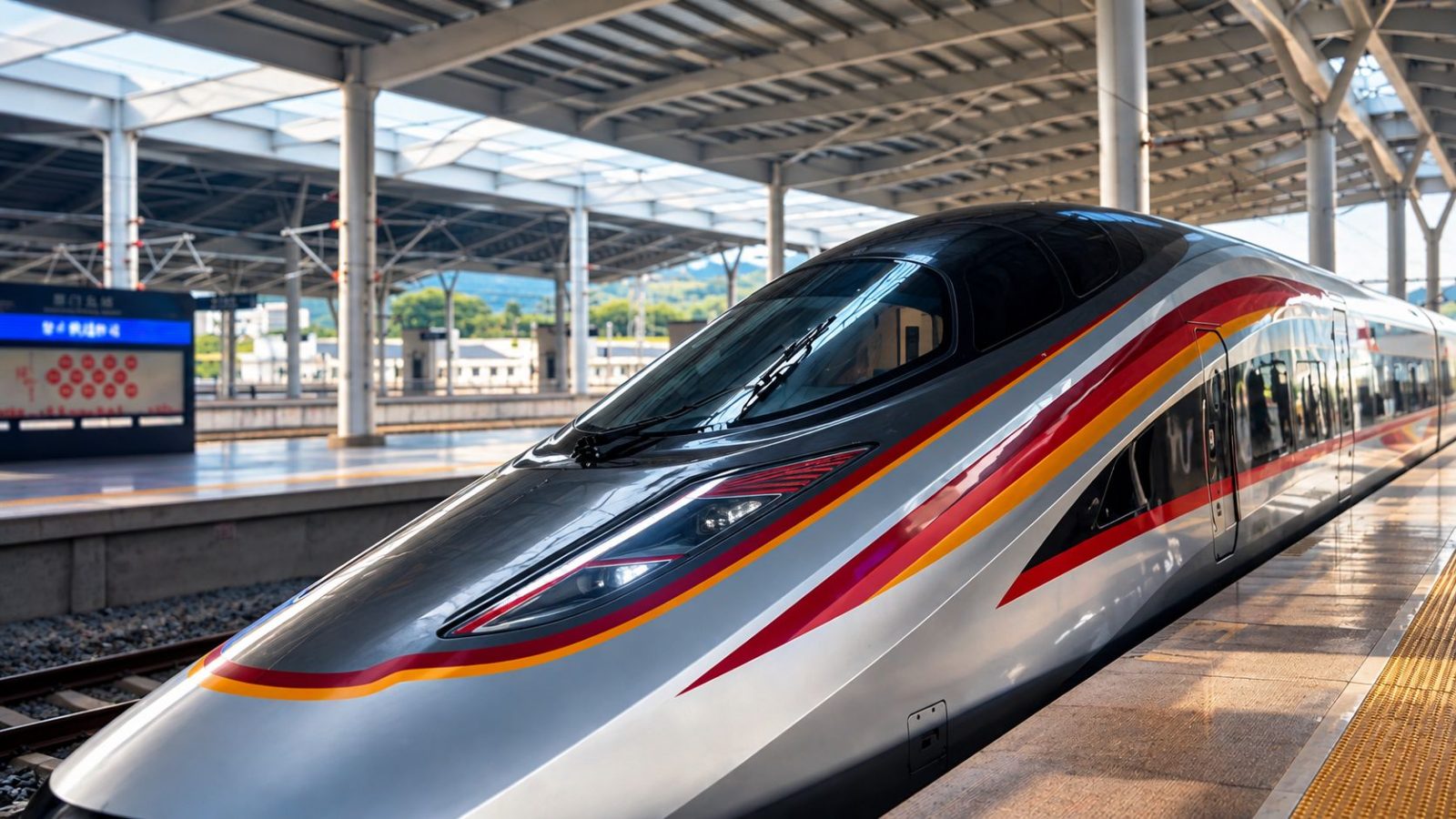
I still remember my first long-distance trip in China back in the early 2000s. It involved a green-skinned train, a hard wooden seat, and about 20 hours of breathing in secondhand smoke and instant noodle steam. Fast forward to today, and the experience of taking a China high speed train is like stepping into a sci-fi movie that actually works. I recently spent some time watching the sheer volume of these sleek machines moving through the stations, and it’s hard to wrap your head around the scale until you see it for yourself.
How the China high speed train changed everything
When people talk about the "bullet train," they usually think of a fast way to get from Point A to Point B. But in China, the high-speed rail network is more like the country's central nervous system. We aren't just talking about a couple of lines connecting big cities. We are talking about over 45,000 kilometers of tracks that zip through mountains, over massive rice paddies, and across freezing northern plains.
Living here, you stop checking flight prices for anything under a five-hour journey. Why would you? You show up at a massive, airport-style station 20 minutes before departure, swipe your ID or passport, and you’re on. No taking off your shoes, no liquid restrictions, and—most importantly—no "ground delays" because of a cloud in the sky. If you want to see what this looks like in motion, I share plenty of these moments on my YouTube channel, where I document the reality of daily life here.
The sheer frequency of departures
One thing that hits you when you stand on a platform in a hub like Shanghai or Guangzhou is the frequency. In many countries, a high-speed trip is a scheduled event you plan weeks for. Here, it’s a subway on steroids. Between major hubs, a bullet train departs every 10 to 15 minutes. If you miss one, you just grab the next one. It’s that simple.
I recently took a trip from Xiamen to Guangzhou, it was 400 miles and costed around 320 RMB ($47) and took around 3.5 hours; you can see exactly how smooth that process is in my video Traveling 400 MILES in China's Fast BULLET TRAIN Guangzhou – Xiamen. I’ve stood on platforms where you can see one train departing to the west while another is pulling in from the east, and two others are bypasses humming through at 300km/h. The coordination required to keep thousands of these trains running on time—and they are almost always exactly on time—is mind-bending.
What it’s actually like inside the cabin
The "human" side of high-speed rail in China is what really interests me. You’ve got three main classes: Second, First, and Business.
- Second Class: This is the "Everyman" choice. It’s 3+2 seating, plenty of legroom (way more than an economy flight), and power outlets under every seat. This is where the life is—families sharing snacks, people watching Douyin (TikTok), and the constant trolley of coffee and fruit passing by.
- First Class: A bit quieter, 2+2 seating, and wider chairs. It’s great for getting work done.
- Business Class: This is the luxury tier. We’re talking full lie-flat pods, slippers, snacks, and sometimes even a meal included. It’s better than most international first-class flights I’ve been on.
The most impressive part? The stability. There’s a famous viral trend where people balance a coin on the window ledge while the train is hitting 350km/h. The coin doesn’t budge. You can walk to the dining car, carry a cup of hot tea, and you won't spill a drop. It’s smooth, quiet, and honestly, a bit therapeutic.
Bridging the urban-rural divide
It’s easy to focus on the glitz of the big cities, but the real impact of the China high speed train is felt in the smaller, "tier 3" or "tier 4" cities. Places that used to be a grueling two-day bus ride from the coast are now just a few hours away. This has changed how people work. I know people who live in smaller, cheaper cities and commute two hours by high-speed rail to a job in a metropolis. That was unthinkable fifteen years ago.
It has also opened up tourism in a way that’s hard to describe. You can decide on a Friday morning to visit a mountain range 800 kilometers away and be there by lunch. It has made the vastness of China feel accessible to everyone, not just those who can afford expensive domestic flights.
The engineering behind the speed
You can't talk about these trains without mentioning the infrastructure. Because a lot of China’s terrain is rugged or built-up, a huge portion of the tracks are actually elevated on long viaducts or cut through massive tunnels. This keeps the tracks straight and level, which is what allows the bullet train to maintain those high speeds without slowing down for curves or crossings.
I’ve sat in the front carriage of a G-series train and watched the speedometer on the wall climb: 200... 280... 310... 350km/h. When you pass a train going the opposite direction, there’s a sudden whoosh and a slight pressure change, and then it’s gone. Two trains passing each other at a combined speed of 700km/h is a reminder of just how much power is involved here.
Is it affordable?
Prices are regulated, so they don’t fluctuate wildly like airline tickets. A trip from Beijing to Shanghai (about 1,300km) usually costs around 600 RMB (roughly $85 USD) for a second-class seat. When you consider that it takes about 4.5 hours and drops you right in the city center, it’s a total no-brainer compared to flying.
For me, the train is where I get my best thinking done. I grab a coffee, look out at the changing landscape—from the skyscrapers of the coast to the yellow earth of the central plains—and just soak it in. It’s the best way to see the "real" China moving past your window at lightning speed.
If you're planning a trip here or just curious about how things work on the ground, don't just stick to the tourist buses. Get a ticket, find your platform, and experience the rail system for yourself. It’s easily one of the most impressive things about living in this country right now. Do you think this kind of infrastructure would work back in your home country, or is it unique to the way things are built here?
Planning a trip or a move?
Get 20 years of China know-how in one call.
Keep reading
Related dispatches
Dispatch · 6 min read
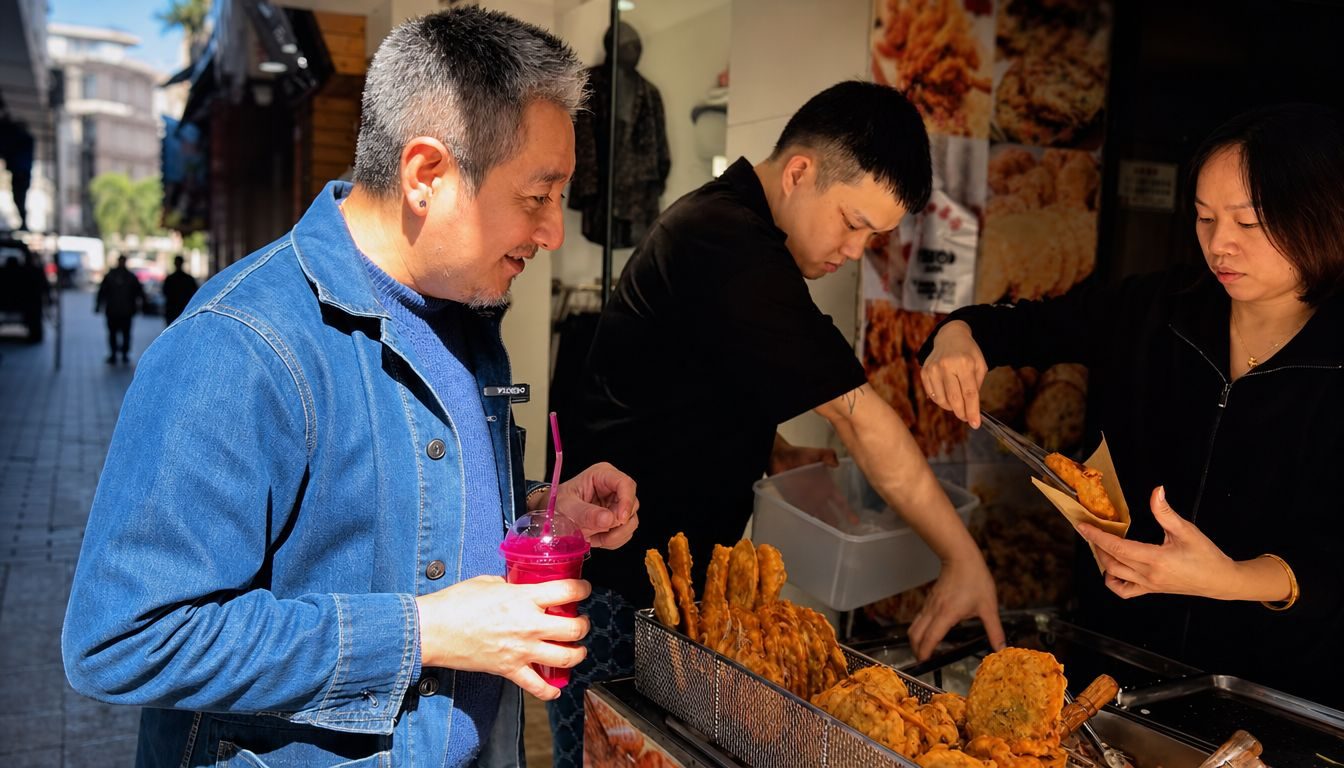
CHINA STREET FOOD: The Ultimate 8-Hour Food Tour in Xiamen, China!
Discover the authentic taste of Xiamen food with Nestor in China. From Xiamen street food like oyster pancakes to night market snacks, explore real Chinese cuisine.
October 8, 2026

Dispatch · 4 min read
What Girls in China Actually Look for in a Boyfriend
Discover the reality of dating in China through first-hand interviews. Learn what Chinese girls really look for in a boyfriend beyond money and looks.
October 8, 2026
The Deep Dive — Newsletter
Join the Inner Circle
Stories too raw or detailed for YouTube. Premium dispatches from two decades on the ground in China, straight to your inbox.